
Proven Techniques to Avoid Procrastination
Stop putting things off and start getting things done with these actionable, science-backed tips.
Introduction
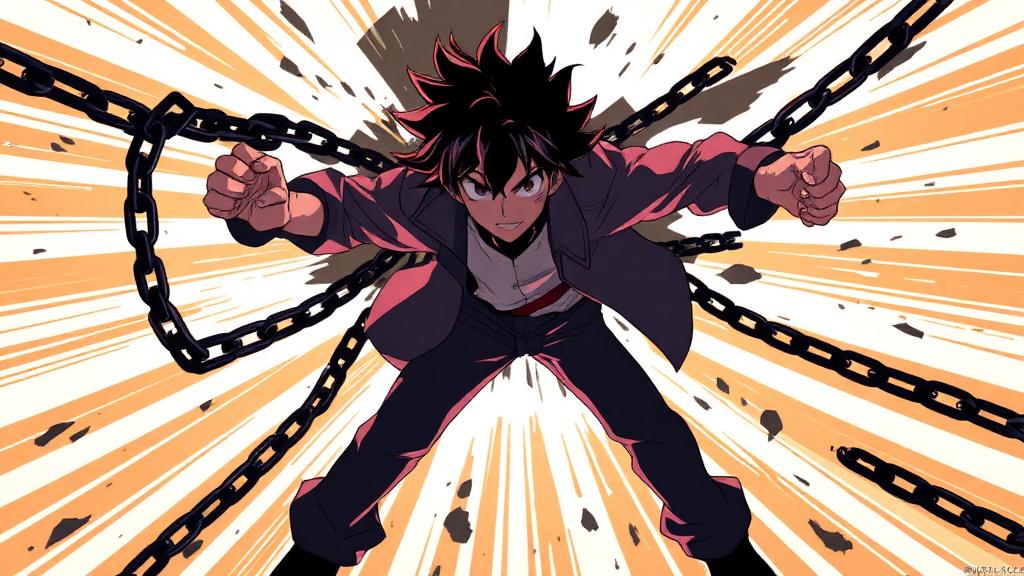
Procrastination is the thief of time, the grave of opportunity, and the enemy of progress. We have all been there: staring at a blank screen, knowing we *should* be working, but instead falling down a YouTube rabbit hole. Chronic procrastination can derail careers, damage relationships, and erode self-esteem. But here is the good news: procrastination is not a character flaw. It is a habit, and habits can be broken.
In this guide, we will dismantle the psychology of procrastination—why your brain fights against work—and equip you with a battle-tested arsenal of strategies to defeat it once and for all.
What Is Procrastination?
Procrastination is the act of unnecessarily postponing decisions or actions. It is different from laziness. Laziness suggests apathy or unwillingness to act. Procrastinators usually *want* to act, but they can't bring themselves to start. It is a failure of self-regulation, often driven by the desire to avoid negative moods.
Why It Matters
The cost of procrastination is high:
- Stress and Anxiety: The task doesn't go away; it just looms larger, creating a cloud of dread.
- Poor Quality Work: Rushing at the last minute inevitably leads to mistakes.
- Missed Opportunities: 'Someday' often becomes 'never'. Dreams die in the waiting room of procrastination.
How to Calculate Your Procrastination Gap
How much time are you losing? Let's calculate the 'Procrastination Gap'.
Gap = Time Intended - Time Started

Example:
- Intended to start report at 9:00 AM.
- Actually started at 10:30 AM.
- Gap = 1.5 hours.

Weekly Cost:
If you have a 1.5h gap daily, that's 7.5 hours a week—almost a full workday lost to hesitation.
Your goal is to shrink this gap to zero using the '5-Second Rule'.
Real-Life Example: Victor Hugo
The famous author Victor Hugo had a tight deadline for his novel 'The Hunchback of Notre Dame'. But he kept procrastinating. To force himself to write, he locked away all his clothes except for a large gray shawl. He had nothing appropriate to wear outdoors, so he was forced to stay inside and write. He finished the book weeks early. This is an extreme example of a 'commitment device'.
Common Mistakes
Practical Tips
FAQs
Is procrastination a sign of ADHD?▼
It can be, but not always. Chronic procrastination is a symptom of ADHD, but many neurotypical people also struggle with it due to anxiety or poor habits.
Does pressure help me perform better?▼
Usually, no. While some people claim they work better under pressure, studies show that work produced at the last minute is generally of lower quality and higher error rate.
How do I stop scrolling on my phone?▼
Add friction. Put your phone in another room. Delete the apps. Turn on 'Grayscale' mode. Make the bad habit difficult to do.
Conclusion
Procrastination is a battle between your present self (who wants comfort) and your future self (who wants success). By understanding the triggers, breaking tasks down, and using strategic tools, you can bridge the gap between intention and action. Stop waiting for the perfect moment. The perfect moment is now. Start.
Recommended Tools
Goal Setting Planner
A structured tool to define, break down, and visualize your personal and professional goals effectively.
Try Tool →Habit Tracker
Track your daily habits and build consistency with a simple, privacy-focused visual interface.
Try Tool →Personal Reflection Journal Generator
Generate thoughtful prompts for deep self-reflection and personal insight discovery.
Try Tool →
Related Articles
- Mindset
Mastering Self-Discipline: Practical Tips
Self-discipline is the bridge between goals and accomplishment. Here's how to build it like a muscle.
Read Article → - Habits
How to Build Powerful Daily Routines
Design a morning and evening routine that sets you up for success and maximizes your energy.
Read Article →